
Warehouse Door Reliability: What Keeps It High

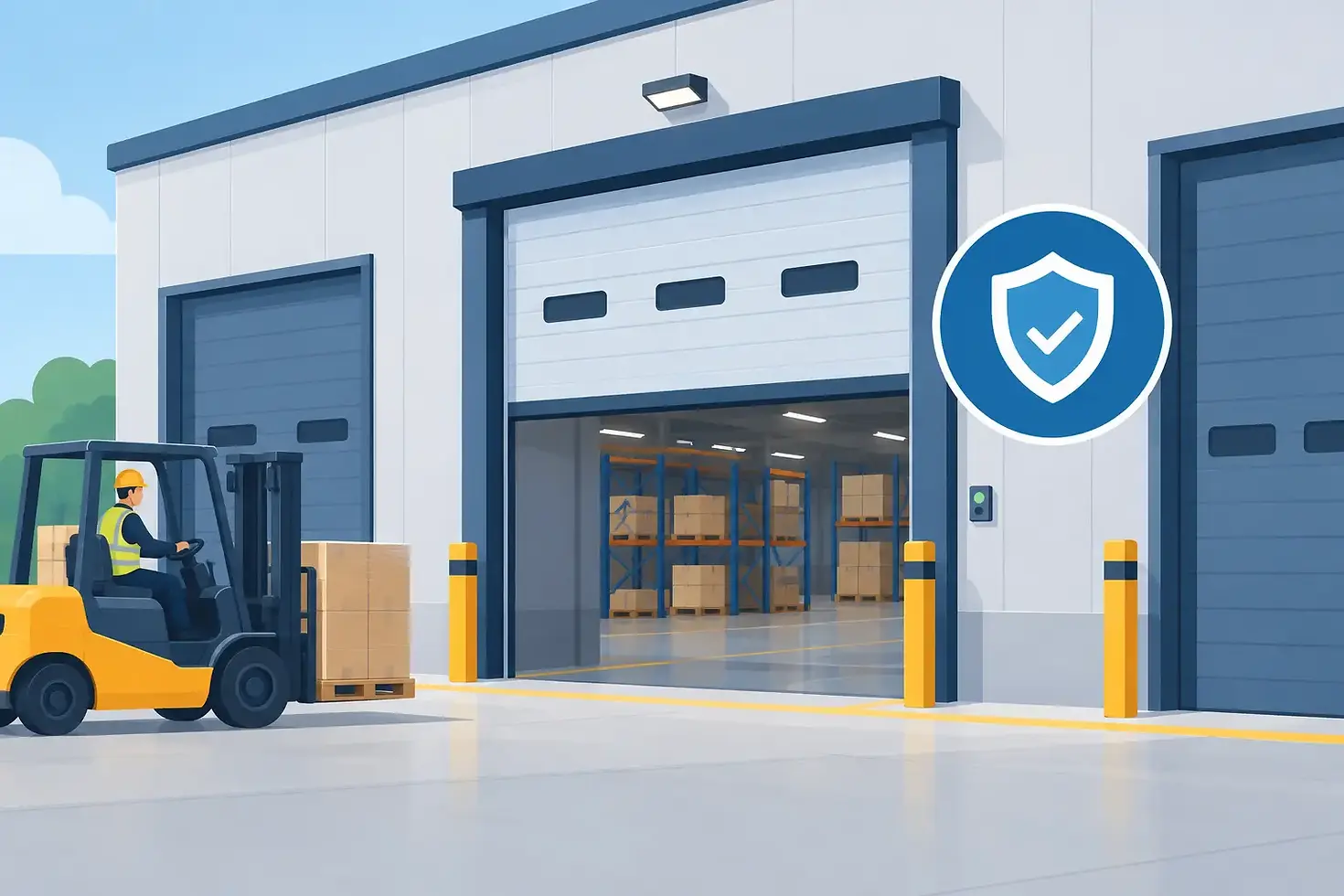
A warehouse door that stalls halfway through a delivery is not a minor inconvenience. It can leave a truck waiting at the dock, expose inventory to weather or theft, create a safety hazard for staff, and put the day’s shipping schedule behind. Warehouse door reliability is the ability of an overhead or rolling steel door system to open, close, secure, and withstand daily use without unexpected downtime.
For Houston-area facilities, reliability also has to account for humidity, intense heat, severe weather, frequent traffic, and the pace of a busy loading operation. A door may look fine from across the warehouse floor while its springs, cables, rollers, tracks, or operator are already approaching failure. The practical goal is not simply to repair a door when it breaks. It is to identify wear early and make sure the entire system is suited to the work it performs.
Why Warehouse Door Reliability Affects the Whole Operation
Commercial doors handle more than access. They control traffic flow, secure valuable goods, separate climate-controlled areas from outdoor conditions, and provide an important layer of building security. When one loading-bay door is down, the effect can spread quickly to drivers, receiving teams, warehouse staff, customers, and tenants.
Reliability also affects safety. A heavy sectional overhead door or steel roll-up door depends on components working together under significant tension and weight. A frayed cable, damaged bottom bracket, worn roller, or failing torsion spring can turn routine operation into a serious hazard. Employees should never be expected to force a stuck door, pull on damaged cables, or work around a door that will not stay in position.
There is a cost trade-off to consider. Emergency service is valuable when a door fails unexpectedly, but planned service is often less disruptive than a shutdown during a delivery window. Facilities that schedule maintenance can usually replace worn components on their timeline rather than making decisions under pressure after a complete failure.
The Parts That Determine Warehouse Door Reliability
A commercial door is a system, not a single piece of equipment. Replacing only the visibly broken part can restore movement temporarily, but long-term performance depends on whether the related components are aligned, balanced, and rated for the application.
Springs and cables carry the load
Torsion springs counterbalance the weight of sectional doors so the operator does not have to lift the full load each cycle. Springs gradually lose strength through normal use. When they wear out or break, the door may feel unusually heavy, rise unevenly, or stop moving altogether.
Cables work alongside the spring system and must remain properly seated on their drums. Fraying, rust, slack cables, or cables that jump the drum are warning signs that require prompt professional attention. Because these parts are under tension, commercial teams should keep clear and call a licensed, insured technician rather than attempting a field repair.
Rollers, tracks, and hinges keep the door moving true
Nylon rollers, hinges, brackets, and tracks guide a sectional door through every open and close cycle. Dirt, impact damage, loose fasteners, lack of lubrication, and worn rollers can cause shaking, scraping, popping, or binding. In a busy warehouse, even a slight track misalignment can become worse quickly as forklifts, pallet jacks, wind, and repeated use put stress on the system.
A door that is noisy is not always about to fail, but new or increasing noise should not be ignored. Grinding may point to roller or bearing wear. Scraping can indicate track alignment issues. A loud bang may signal a spring problem. The sound itself is less important than the change from the door’s normal operation.
Operators and safety devices need the right setup
A commercial opener must be matched to the door’s weight, size, cycle demands, and operating environment. An undersized operator may work at first but wear prematurely under heavy daily use. A correctly selected commercial operator, paired with a properly balanced door, helps reduce strain and supports consistent access.
Photo eyes, sensing edges, controls, limit settings, and emergency release functions also deserve regular testing. These devices protect people and equipment, but they can be affected by dirt, damaged wiring, impacts, or improper adjustment. A door that reverses unexpectedly, closes inconsistently, or ignores its normal limits needs service before it becomes a loading-dock risk.
Warning Signs That Should Trigger a Service Call
Facility managers do not need to diagnose the exact mechanical cause. They do need to recognize when normal operation has changed. Call for commercial door service if a warehouse door moves slowly, shakes, stops mid-cycle, opens unevenly, fails to seal at the floor, or requires repeated button presses.
Other concerns include bent tracks, damaged panels, visible cable wear, a door that will not stay open, an opener that hums without moving the door, or a roll-up door that becomes difficult to lift or lock. After a forklift strike or other impact, the door should be inspected even if it still appears to operate. Structural damage can be hidden in brackets, guides, drums, panels, and mounting points.
Weather can reveal problems as well. Water entering beneath a closed door may indicate damaged bottom seals, poor alignment, or a compromised threshold area. For climate-controlled storage, food-related operations, and inventory-sensitive facilities, sealing problems can raise energy costs and expose products to moisture, dust, pests, and outdoor air.
Build Maintenance Around Actual Door Use
The right maintenance interval depends on the type of door and its cycle count. A warehouse door used dozens of times each day needs closer attention than a door opened only for occasional access. High-cycle loading docks, distribution facilities, auto service operations, and multi-tenant commercial properties often benefit from a documented preventive maintenance schedule.
During a professional inspection, technicians can check spring balance, cable condition, roller wear, track alignment, hardware tightness, operator performance, safety devices, lubrication points, weather seals, and signs of panel or curtain damage. The value is not just finding a broken item. It is identifying parts that are wearing unevenly before they interrupt operations.
Between service visits, staff can support reliability with simple observation. Keep the door path clear, avoid striking tracks or panels with equipment, report unusual sounds immediately, and do not apply makeshift fixes to springs, cables, or electrical controls. A clean work area also helps operators and safety sensors function as intended.
Repair or Replace: Making the Practical Call
A targeted repair is often the right answer when a door has a localized issue, such as worn rollers, a broken spring, damaged cables, a failed opener component, or a section that can be safely replaced. Quality parts and correct adjustment can return the door to dependable use without replacing the entire system.
Replacement becomes more practical when repairs are recurring, the door no longer fits the facility’s traffic demands, panels or a roll-up curtain have widespread damage, or parts are obsolete. A new commercial door can also improve insulation, security, wind resistance, noise control, and operator compatibility. The lowest immediate repair cost is not always the lowest operational cost if the same door repeatedly disrupts deliveries.
For businesses with multiple doors, it can help to prioritize work by operational risk. A lightly used rear-access door may tolerate planned scheduling, while a primary shipping-bay door may need immediate service or a replacement plan before it fails. Clear pricing and a straightforward explanation of options make that decision easier.
Dependable Local Support When Access Cannot Wait
A.C.J Houston Garage Doors provides commercial overhead door, steel roll-up door, opener, spring, cable, track, and panel service for Houston-area businesses. Licensed and insured technicians can assess the full door system, explain what is causing the issue, and recommend a repair or replacement based on the door’s condition and the way your facility operates.
If a warehouse door is stuck open, will not open for a scheduled shipment, has been damaged by an impact, or shows signs of cable or spring failure, keep the area clear and call for prompt service. For ongoing operations, book an appointment before small changes become a dock shutdown. Reliable access is built one inspected, properly repaired door at a time.


Comments